


| Barrow Colliery | Index | Barrow Colliery | ||
 |

|
 |
||
Barrow Colliery
(See also Barrow Main Colliery)
 |
 |

|





|
|
|
| Location: | Worsbrough Bridge, Barnsley 2½ miles [4 km] SSE of Barnsley |
| Map Ref: | (Sheet 110 Sheffield and Huddersfield, 111 Sheffield and Doncaster) SE358026, 53° 31' 10" N, 1° 27' 35" W |
| Opened: | |
| Closed: | |
| Sinking Started: | 1875 |
| Owners: | Barrow Haematite Steel Co. |
| Barrow Barnsley Main Collieries Ltd. | |
| 1947 - National Coal Board (N.C.B.) | |
| Output: | 1894 - Parkgate - Coal: Household, Steam. |
| 1894 - Silkstone - Coal: Gas, Household. | |
| 1894 - Thorncliffe - Coal. | |
| 1896 - Parkgate - Coal: Household, Steam. | |
| 1896 - Silkstone - Coal: Gas, Household. | |
| 1896 - Thorncliffe - Coal. | |
| 1900 - Parkgate and Thorncliffe - Coal: Household, Steam. | |
| 1900 - Silkstone - Coal: Gas, Household. | |
| 1905 - No. 1 - Coal: Coking, Gas, Household. | |
| 1905 - No. 2 - Coal: Coking, Gas, Household. | |
| 1910 - No. 1 - Coal: Coking, Gas, Household, Steam. | |
| 1910 - No. 2 - Coal: Coking, Gas, Household. | |
| 1915 - No. 1 - Coal: Coking, Gas, Household, Steam. | |
| 1915 - No. 2 - Coal: Coking, Gas, Household. | |
| 1947 - Coal: Gas, Household, Steam. (493,000 tons) | |
| 1954 - Coal: Gas, Household, Steam. | |
| Employment: | 1894 - Parkgate - 635 |
| 1894 - Silkstone - 849 (526 below, 323 surface) | |
| 1896 - Parkgate - 637 | |
| 1896 - Silkstone - 855 (531 below, 324 surface) | |
| 1900 - Parkgate and Thorncliffe - 868 | |
| 1900 - Silkstone - 1,133 (653 below, 480 surface) | |
| 1905 - No. 1 - 1,503 (1,014 below, 489 surface) | |
| 1905 - No. 2 - 696 | |
| 1910 - No. 1 - 1,960 (1,384 below, 576 surface) | |
| 1910 - No. 2 - 868 | |
| 1915 - No. 1 - 1,690 (1,133 below, 557 surface) | |
| 1915 - No. 2 - 315 | |
| 1923 - 2,004 (1,539 below, 465 surface) | |
| 1933 - 2,460 (2,060 below, 400 surface) | |
| 1937 - 2,460 (2,060 below, 400 surface) | |
| 1940 - 2,460 (2,060 below, 400 surface) | |
| 1947 - 1,627 (1,148 below, 479 surface) | |
| 1954 - 1,655 (1,243 below, 412 surface) | |
| Seams Worked: | 1910 - No. 1 - Parkgate, Silkstone, Thorncliffe |
| 1910 - No. 2 - Parkgate, Silkstone, Thorncliffe | |
| 1915 - No. 1 - Parkgate, Thorncliffe, Thorncliffe Silkstone | |
| 1915 - No. 2 - Silkstone | |
| 1954 - Fenton, Flockton, Lidgett, Parkgate | |
| Notes: | Current Status - Page under construction! and is far, far from complete! |
|
|
|
|
|
|
|
Description
Barrow, Worsbrough Bridge, Barnsley: Three shafts, sunk 1875, two 372 yds. dp.) (with common pit-bottom for coal output at 335 yds.); third winds men and materials, to 308 yds. level; output from Wombwell Colliery’s Lidgett seam also conveyed to central loading station and thence to surface; 1,300 men prod. 676,000 tons from 100 per cent. mechanised workings in Swallow Wood, Lidgett and Parkgate seams, and developing Thorncliffe.
NCB Leaflet: Coal in Barnsley Area, published 1967
|
|
|
|
|
|
|
Disasters (5 or more killed)
 |
15th | Nov | 1907 | Shaft accident, cage collided with girders in ascent, 7 lives lost (Show Names) |
Those entries marked with ,
signify a disaster for which a memorial has been erected or for which we have
images concerning the disaster, alternately their name may be mentioned on a memorial plaque.
Click on the symbol
next to the name to see the appropriate web page for the memorial.
|
|
|
|
|
|
|
Names of those killed at this colliery
Please note that this collection of names is by no means complete!
 |  | Abbott, John William, 20 Dec 1915, aged 32, Dataller, He and his mate were struck by runaway tubs due to flawed coupling | ||||
| | Adams, William, 15 Nov 1907, aged 28, Brakesman, Shaft accident, cage collided with girders in ascent, Along with others the deceased men got on to the cage in the No. 3 shaft at the Parkgate Seam for the purpose of ascending to the surface at the end of their shifts. A horsekeeper was also in the cage to go to the Thorncliffe Seam 38 yards below ; the cage was, therefore, lowered to that seam where he got off. At the Thorncliffe landing there is a staging or platform so that the men can get on or off the two decks of the cage without its being moved. The signalling is done from the top part of this staging and the hanger-on there is the chargeman ; the one at the low part is an assistant and beyond opening and closing the gates protecting the entrance to the shaft, taking off and putting on the chains at the ends of the decks and putting over a flag or flat sheet to cover the space between the floor of the deck of the cage and that of the landing has nothing to do. The flag or flat sheet is fitted with two spikes, each 3½ inches long, which fit into holes in the floor of the cage decks and act as anchors to the cage. They are hinged to the floors of the landings and lifted and lowered by means of chains by the hangers-on. On the day in question the hanger-on, on the top part or landing of the staging, when the cage came let the horsekeeper get off without dropping the flag or flat sheet, and at the same time shouted to the hanger-on at the bottom landing, "Don't put that flag down," and at the same moment signalled for the cage to be taken to the surface. Unfortunately the Hanger-on at the bottom landing had lowered the flag and before he could get it up again the cage started and the result was that the cage was held and tilted for a moment or so and then the flag flew back. Violent oscillation was thus set up and in ascending the top of the cage collided against the girder under the floor of the Parkgate landing with such force as to damage the cage and girder. It became liberated and was taken further up the shaft where it collided with another girder. The engineman then noticed something was wrong and stopped the cage. Seven of the men at one or other of these places were thrown out of the cage and fell to the bottom of the shaft, being killed instantly ; and six others were more or less seriously injured [More information ...] | ||||
| Addison, Ernest, 01 Oct 1901, aged 14, Pony Driver, Slipped when bringing a full tub of coal outbye and the tub ran upon him | |||||
| Barton, John Henry, 22 Jan 1908, aged 44, Collier, The deceased, his son, and son-in-law, were travelling down a self-acting incline when they met the empty set just about meetings. To avoid this they stepped into the full road and were run into by the full set. The deceased was so seriously injured that he died before arriving at the hospital, the other two men escaped with slight injuries. They should have been in a refuge hole. Travelling when the sets are in motion on a self-acting incline is most dangerous and should not be allowed | |||||
| Beardsall, Joseph, 24 Oct 1905, aged 45, Ripper, Killed by a fall of stone from between two slips under the ripping edge | |||||
| Beckett, R., 04 Apr 1892, (accident: 25 Mar 1892, 12 p.m., 6th hour of shift), aged 18, Trammer, Injured by tub ; died 4th April | |||||
| Bedford, Joseph, 15 Jan 1914, aged 53, Contractor, He was knocking out a bar in a stowing gate when 10 tons of stone fell from the roof and broke 2 bars. He was killed outright and his assistant, a youth of 18, sustained a compound fractured leg. No safety appliance was used for withdrawing the timber, neither were temporary supports set for protection | |||||
| Bostock, T., 13 Feb 1893, aged 25, Trammer, Fall of stone | |||||
| Brown, F., 14 Jul 1911, aged 19, Cleaner, He had been washing a narrow piece of floor between the engine bed and the flywheel race. The stone bed upon which he was kneeling was 12 inches above the floor, and it is supposed that while leaning his weight on one hand upon a wet surface, he slipped into the flywheel, for he was found fatally injured between that wheel and the driving wheel of the fan | |||||
| Burgin, Frederick, 29 Oct 1907, aged 69, Packer, When building a pack with stone from the goaf, a piece of roof stone fell and caught his head. The timber had been withdrawn from the goaf and this formed a lip in the roof from which the stone fell | |||||
| | Coles, R., 16 Jun 1933, (accident: 08 Jun 1933), aged 21, Trammer, Filling tubs of coal at face when he was knocked down by a stone which fell from roof — bar legs being dislodged. Died from menigitis eight days later | ||||
| Coupe, James, 22 Jan 1912, aged 48, Collier, He was working in the Parkgate Seam when a weight bump came over the place and forced down some clod, which fell against a tub which was standing near him, and rolled on to him, completely burying him | |||||
| Cunliffe, Albert, 16 Mar 1908, aged 26, Trammer, When holing he disclosed a slip, and the coal fell from it without any warning and killed him | |||||
| | Dobson, Frank, 15 Nov 1907, aged 40, Chargeman at Staple Pit, Shaft accident, cage collided with girders in ascent, Along with others the deceased men got on to the cage in the No. 3 shaft at the Parkgate Seam for the purpose of ascending to the surface at the end of their shifts. A horsekeeper was also in the cage to go to the Thorncliffe Seam 38 yards below ; the cage was, therefore, lowered to that seam where he got off. At the Thorncliffe landing there is a staging or platform so that the men can get on or off the two decks of the cage without its being moved. The signalling is done from the top part of this staging and the hanger-on there is the chargeman ; the one at the low part is an assistant and beyond opening and closing the gates protecting the entrance to the shaft, taking off and putting on the chains at the ends of the decks and putting over a flag or flat sheet to cover the space between the floor of the deck of the cage and that of the landing has nothing to do. The flag or flat sheet is fitted with two spikes, each 3½ inches long, which fit into holes in the floor of the cage decks and act as anchors to the cage. They are hinged to the floors of the landings and lifted and lowered by means of chains by the hangers-on. On the day in question the hanger-on, on the top part or landing of the staging, when the cage came let the horsekeeper get off without dropping the flag or flat sheet, and at the same time shouted to the hanger-on at the bottom landing, "Don't put that flag down," and at the same moment signalled for the cage to be taken to the surface. Unfortunately the Hanger-on at the bottom landing had lowered the flag and before he could get it up again the cage started and the result was that the cage was held and tilted for a moment or so and then the flag flew back. Violent oscillation was thus set up and in ascending the top of the cage collided against the girder under the floor of the Parkgate landing with such force as to damage the cage and girder. It became liberated and was taken further up the shaft where it collided with another girder. The engineman then noticed something was wrong and stopped the cage. Seven of the men at one or other of these places were thrown out of the cage and fell to the bottom of the shaft, being killed instantly ; and six others were more or less seriously injured [More information ...] | ||||
| Draper, T., 11 Dec 1887, (accident: 23 Nov 1887), aged 26, Dataller, Fall of roof. Died 11th | |||||
| Dunkerley, Herbert W., 30 Jul 1914, aged 14, Screen boy, He was found dead on the wagon road underneath the screens. He was last seen working on the screens at a point near the low end of a rising belt. He was probably trying to reach a gangway by working along the moving belt when he fell on a revolving shaft and was thrown below | |||||
| Elliott, Alfred, 19 Jan 1904, aged 47, Coal Miner, Deceased was taking a sprag out when the roof suddenly fell and killed him. The fall came away at two slips, one of which could be seen. The place was well timbered and the accident was due to the invisible slip | |||||
| Evans, L., 20 Sep 1910, aged 42, Ripper, He was knocking one of two props from under a bar supporting the roof, over a tub road along the coal face. He was standing under the bar while he knocked out the prop and was fatally crushed by a large stone that fell with the bar. Temporary timber should have been set and prop drawing apparatus used | |||||
| Farrand, John, 30 Nov 1909, aged 30, Contractor, Fall of roof. He was drawing timber from a waste when he was killed by a fall of roof. He was using a hammer instead of the proper timber drawing appliances | |||||
| | Farrer, Isaac, 15 Nov 1907, aged 20, Haulage Lad, Shaft accident, cage collided with girders in ascent, Along with others the deceased men got on to the cage in the No. 3 shaft at the Parkgate Seam for the purpose of ascending to the surface at the end of their shifts. A horsekeeper was also in the cage to go to the Thorncliffe Seam 38 yards below ; the cage was, therefore, lowered to that seam where he got off. At the Thorncliffe landing there is a staging or platform so that the men can get on or off the two decks of the cage without its being moved. The signalling is done from the top part of this staging and the hanger-on there is the chargeman ; the one at the low part is an assistant and beyond opening and closing the gates protecting the entrance to the shaft, taking off and putting on the chains at the ends of the decks and putting over a flag or flat sheet to cover the space between the floor of the deck of the cage and that of the landing has nothing to do. The flag or flat sheet is fitted with two spikes, each 3½ inches long, which fit into holes in the floor of the cage decks and act as anchors to the cage. They are hinged to the floors of the landings and lifted and lowered by means of chains by the hangers-on. On the day in question the hanger-on, on the top part or landing of the staging, when the cage came let the horsekeeper get off without dropping the flag or flat sheet, and at the same time shouted to the hanger-on at the bottom landing, "Don't put that flag down," and at the same moment signalled for the cage to be taken to the surface. Unfortunately the Hanger-on at the bottom landing had lowered the flag and before he could get it up again the cage started and the result was that the cage was held and tilted for a moment or so and then the flag flew back. Violent oscillation was thus set up and in ascending the top of the cage collided against the girder under the floor of the Parkgate landing with such force as to damage the cage and girder. It became liberated and was taken further up the shaft where it collided with another girder. The engineman then noticed something was wrong and stopped the cage. Seven of the men at one or other of these places were thrown out of the cage and fell to the bottom of the shaft, being killed instantly ; and six others were more or less seriously injured [More information ...] | ||||
| Firth, T., 25 Mar 1901, aged 14, Driver, Found dead under a full tub. Probably the horse started when Firth was lifting the tub on the rails | |||||
| Fisher, Thomas, 31 Oct 1879, aged 42, Collier, Fell down shaft | |||||
| Foy, R., 11 Jun 1901, aged 29, Collier, Was enlarging a roadway and working by himself, and was found dead under a fall of roof by the fireman | |||||
| Froggart, G., 10 Sep 1899, (accident: 07 Sep 1899), aged 23, Labourer, Whilst a boiler was being blown off he went underneath, and was scalded. Died 10th September | |||||
| | Goodchild, Walter Lewis, 15 Nov 1907, aged 35, Hanger-on, Shaft accident, cage collided with girders in ascent, Along with others the deceased men got on to the cage in the No. 3 shaft at the Parkgate Seam for the purpose of ascending to the surface at the end of their shifts. A horsekeeper was also in the cage to go to the Thorncliffe Seam 38 yards below ; the cage was, therefore, lowered to that seam where he got off. At the Thorncliffe landing there is a staging or platform so that the men can get on or off the two decks of the cage without its being moved. The signalling is done from the top part of this staging and the hanger-on there is the chargeman ; the one at the low part is an assistant and beyond opening and closing the gates protecting the entrance to the shaft, taking off and putting on the chains at the ends of the decks and putting over a flag or flat sheet to cover the space between the floor of the deck of the cage and that of the landing has nothing to do. The flag or flat sheet is fitted with two spikes, each 3½ inches long, which fit into holes in the floor of the cage decks and act as anchors to the cage. They are hinged to the floors of the landings and lifted and lowered by means of chains by the hangers-on. On the day in question the hanger-on, on the top part or landing of the staging, when the cage came let the horsekeeper get off without dropping the flag or flat sheet, and at the same time shouted to the hanger-on at the bottom landing, "Don't put that flag down," and at the same moment signalled for the cage to be taken to the surface. Unfortunately the Hanger-on at the bottom landing had lowered the flag and before he could get it up again the cage started and the result was that the cage was held and tilted for a moment or so and then the flag flew back. Violent oscillation was thus set up and in ascending the top of the cage collided against the girder under the floor of the Parkgate landing with such force as to damage the cage and girder. It became liberated and was taken further up the shaft where it collided with another girder. The engineman then noticed something was wrong and stopped the cage. Seven of the men at one or other of these places were thrown out of the cage and fell to the bottom of the shaft, being killed instantly ; and six others were more or less seriously injured [More information ...] | ||||
| | Green, Henry, 23 Jan 1919, aged 44, Overman, Took repairer into a disused road to seek a girder which was needed. When it was removed there was a large fall of roof and he was dead when recovered | ||||
| Haverty, W., 30 Jun 1887, aged 31, Collier, Fall of roof | |||||
| Hepworth, George, 14 Feb 1910, aged 61, Screenman, He foolishly went between two wagons which were standing about 2 feet apart, when the locomotive, which was at the top end of the wagons about 150 yards away, shunted against the top one, causing the wagons to meet, and Hepworth was fatally crushed | |||||
| Hinchcliffe, George, 23 Apr 1902, (accident: 21 Mar 1902), aged 45, Collier, Died 23rd April. Fall of roof in working place. Cause — a slip, and failure to set timber | |||||
| Hirst, R., 16 Jan 1892, 9 a.m., 3rd hour of shift, aged 53, Collier, Fall of stone | |||||
| Hiscox, Herbert, 20 Feb 1905, aged 28, Labourer, His duty was to receive the skips on an aerial ropeway carrying small coal from the screens to a washer hopper, empty and right them and fasten the catch, and then to put them on the return rope. By some means he was carried off the top of the hopper by one of the skips. Holding on by the front edge by both hands he was carried about 45 feet, when he lost hold with one hand and in trying to regain it he pulled the catch out, and the skip turned over and he fell to the ground, a distance of 40 feet, and was killed | |||||
| Holdsworth, W., 18 Jan 1886, aged 59, Collier, Fall of roof | |||||
| Hoyland, J., 25 Apr 1889, aged 17, Incline boy, Crushed by corves | |||||
| Hutchinson, A., 13 Mar 1891, aged 19, Slack emptier, Run over by waggon | |||||
| Jackson, John, 18 Aug 1883, aged 55, Platelayer, Run over by locomotive | |||||
| | Jennings, Thomas William, 15 Nov 1907, aged 18, Haulage Lad, Shaft accident, cage collided with girders in ascent, Along with others the deceased men got on to the cage in the No. 3 shaft at the Parkgate Seam for the purpose of ascending to the surface at the end of their shifts. A horsekeeper was also in the cage to go to the Thorncliffe Seam 38 yards below ; the cage was, therefore, lowered to that seam where he got off. At the Thorncliffe landing there is a staging or platform so that the men can get on or off the two decks of the cage without its being moved. The signalling is done from the top part of this staging and the hanger-on there is the chargeman ; the one at the low part is an assistant and beyond opening and closing the gates protecting the entrance to the shaft, taking off and putting on the chains at the ends of the decks and putting over a flag or flat sheet to cover the space between the floor of the deck of the cage and that of the landing has nothing to do. The flag or flat sheet is fitted with two spikes, each 3½ inches long, which fit into holes in the floor of the cage decks and act as anchors to the cage. They are hinged to the floors of the landings and lifted and lowered by means of chains by the hangers-on. On the day in question the hanger-on, on the top part or landing of the staging, when the cage came let the horsekeeper get off without dropping the flag or flat sheet, and at the same time shouted to the hanger-on at the bottom landing, "Don't put that flag down," and at the same moment signalled for the cage to be taken to the surface. Unfortunately the Hanger-on at the bottom landing had lowered the flag and before he could get it up again the cage started and the result was that the cage was held and tilted for a moment or so and then the flag flew back. Violent oscillation was thus set up and in ascending the top of the cage collided against the girder under the floor of the Parkgate landing with such force as to damage the cage and girder. It became liberated and was taken further up the shaft where it collided with another girder. The engineman then noticed something was wrong and stopped the cage. Seven of the men at one or other of these places were thrown out of the cage and fell to the bottom of the shaft, being killed instantly ; and six others were more or less seriously injured [More information ...] | ||||
| ||||||
| Kellett, H., 26 Jan 1900, aged 31, Collier, Fall of roof | |||||
| | Kinberley, Levi, 21 May 1915, (accident: 13 Apr 1915), aged 39, Collier, Pushing through a low gate he scratced his back on roof. Died 21st May — toxemia | ||||
| Knox, W., 08 Mar 1894, aged 23, Waggon lowerer, Knocked down by waggon | |||||
| Lee, William, 23 Jul 1906, aged 42, Collier, He had taken out the sprags and dropped a length of 6 yards of coal holed 6 feet under, and filled three tubs. He was probably dressing off some coal from the face when the roof fell out to a weight break and broke off at the face, and he was caught and killed. He was alone at the time of the accident | |||||
| Logan, Thomas, 11 Oct 1904, aged 48, Collier, He was getting coal at the face when a stone, 7 ft. by 3 ft. by 2 ft., fell from the roof upon him and killed him on the spot. It fell from a slip, of which he was aware. He was only two feet beyond the last prop | |||||
| Loveday, Robert, 26 Aug 1912, (accident: 23 Aug 1912), aged 63, Boiler Smith, Deceased was moving some blocks from the floor underneath a belt some 5 feet above, and running at over 3,000 feet per minute. He inadvertently straightened himself and was struck on the head by one of the belt fasteners. He died on August 26 | |||||
| Lyons, Henry, 23 May 1906, aged 26, Trammer, He had brought an empty tub into a long wall face and commenced to fill it when a very large fall occurred in the goaf and a piece of the stone slipped in towards the coal face and displaced a row of props and fatally injured the deceased man | |||||
| Mallin, Ernest, 14 Jun 1911, aged 18, Haulage Boy, He was going along the main endless rope haulage plane, when the empty rope swung the last two of a train of nine tubs off the rails. These caught Mallin and knocked him in front of a set of four full tubs which ran over him and fatally injured him | |||||
| Mallinder, Walter, 24 May 1905, aged 14, Pony-driver, This accident was due to a misunderstanding between a run-rider and a driver-boy. The former told the latter that he would go down to the pass-bye and see if the load was ready, and then return and signal for the train of tubs to be run in. The driver thought he had to signal for the train, and did so, and it ran into where the deceased was when it was not expected, and killed him | |||||
| | Mason, Edward, 13 Jun 1919, aged 40, Ripper, Had to take down ripping at face end and was building a gateside pack when more ripping fell from a slip and there was a further fall which buried him | ||||
| Moreton, G., 13 Jul 1899, aged 67, Screenman, Was tipping coal down a screen when the tub fell through, and he with it | |||||
| Ogle, J., 15 Mar 1897, aged 30, Shunter, Run over by waggon | |||||
| Orrell, John, 21 Jan 1905, (accident: 11 Jan 1905), aged 45, Collier, When getting coal a fall of roof at a slip which could not be seen before took place, and so seriously injured him that he died on the 21st instant | |||||
| Parker, Charles Henry, 15 Sep 1913, aged 50, Collier, Deceased was getting down some top coal preparatory to setting a necessary prop, when there was a fall of stone from the roof from between two slips, one of which was over the coal. Deceased's ribs were fractured and pierced his lung, and he died a week later. More timber ought to have been set | |||||
| Platts, G., 09 May 1890, (accident: 08 May 1890), aged 16, Crushed by tubs. Died 9th | |||||
| Plowman, Thomas John, 18 Sep 1913, aged 73, Bricklayer, Deceased was helping to lower two full trucks on a gradient of 1 in 72. Whilst endeavouring to stop the trucks by applying the brake, he slipped, and his left foot was almost severed by the truck wheels passing over it. He died from shock | |||||
| Pratt, J., 31 Jan 1895, aged 48, Hurrier, Crushed by corf against side. He was in front of corf | |||||
| Quinn, R., 13 May 1897, aged 26, Hurrier, Fall of roof | |||||
| | Rathmell, Thomas, 15 Nov 1907, aged 23, Hanger-on, Shaft accident, cage collided with girders in ascent, Along with others the deceased men got on to the cage in the No. 3 shaft at the Parkgate Seam for the purpose of ascending to the surface at the end of their shifts. A horsekeeper was also in the cage to go to the Thorncliffe Seam 38 yards below ; the cage was, therefore, lowered to that seam where he got off. At the Thorncliffe landing there is a staging or platform so that the men can get on or off the two decks of the cage without its being moved. The signalling is done from the top part of this staging and the hanger-on there is the chargeman ; the one at the low part is an assistant and beyond opening and closing the gates protecting the entrance to the shaft, taking off and putting on the chains at the ends of the decks and putting over a flag or flat sheet to cover the space between the floor of the deck of the cage and that of the landing has nothing to do. The flag or flat sheet is fitted with two spikes, each 3½ inches long, which fit into holes in the floor of the cage decks and act as anchors to the cage. They are hinged to the floors of the landings and lifted and lowered by means of chains by the hangers-on. On the day in question the hanger-on, on the top part or landing of the staging, when the cage came let the horsekeeper get off without dropping the flag or flat sheet, and at the same time shouted to the hanger-on at the bottom landing, "Don't put that flag down," and at the same moment signalled for the cage to be taken to the surface. Unfortunately the Hanger-on at the bottom landing had lowered the flag and before he could get it up again the cage started and the result was that the cage was held and tilted for a moment or so and then the flag flew back. Violent oscillation was thus set up and in ascending the top of the cage collided against the girder under the floor of the Parkgate landing with such force as to damage the cage and girder. It became liberated and was taken further up the shaft where it collided with another girder. The engineman then noticed something was wrong and stopped the cage. Seven of the men at one or other of these places were thrown out of the cage and fell to the bottom of the shaft, being killed instantly ; and six others were more or less seriously injured [More information ...] | ||||
| | Roebuck, Walter, 15 Jul 1919, aged 37, Ripper, About to take down some face ripping to put a top on side pack. He withdrew two bars without safety contrivance when stone fell and completely buried him. Dead when released | ||||
| | Rooke, Byas, 15 Nov 1907, aged 22, Haulage Lad, Shaft accident, cage collided with girders in ascent, Along with others the deceased men got on to the cage in the No. 3 shaft at the Parkgate Seam for the purpose of ascending to the surface at the end of their shifts. A horsekeeper was also in the cage to go to the Thorncliffe Seam 38 yards below ; the cage was, therefore, lowered to that seam where he got off. At the Thorncliffe landing there is a staging or platform so that the men can get on or off the two decks of the cage without its being moved. The signalling is done from the top part of this staging and the hanger-on there is the chargeman ; the one at the low part is an assistant and beyond opening and closing the gates protecting the entrance to the shaft, taking off and putting on the chains at the ends of the decks and putting over a flag or flat sheet to cover the space between the floor of the deck of the cage and that of the landing has nothing to do. The flag or flat sheet is fitted with two spikes, each 3½ inches long, which fit into holes in the floor of the cage decks and act as anchors to the cage. They are hinged to the floors of the landings and lifted and lowered by means of chains by the hangers-on. On the day in question the hanger-on, on the top part or landing of the staging, when the cage came let the horsekeeper get off without dropping the flag or flat sheet, and at the same time shouted to the hanger-on at the bottom landing, "Don't put that flag down," and at the same moment signalled for the cage to be taken to the surface. Unfortunately the Hanger-on at the bottom landing had lowered the flag and before he could get it up again the cage started and the result was that the cage was held and tilted for a moment or so and then the flag flew back. Violent oscillation was thus set up and in ascending the top of the cage collided against the girder under the floor of the Parkgate landing with such force as to damage the cage and girder. It became liberated and was taken further up the shaft where it collided with another girder. The engineman then noticed something was wrong and stopped the cage. Seven of the men at one or other of these places were thrown out of the cage and fell to the bottom of the shaft, being killed instantly ; and six others were more or less seriously injured [More information ...] | ||||
| ||||||
| | Saunders, Albert Edward, 20 May 1915, aged 48, Collier, Sitting under some top coal which had been holed and was using his shovel when coal fell on him | ||||
| | Sidebottom, Albert, 22 Dec 1915, (accident: 21 Oct 1915), aged 39, Ripper, Setting prop under ripping when there was a fall — spine fractured. Died 22nd Dec | ||||
| Smee, Thomas, 02 Mar 1883, aged 20, Hurrier, Fall of roof | |||||
| Stansfield, Albert, 10 Nov 1905, aged 38, Ripper, He and another ripper were drawing and re-building wood packs. While in the act of loosening one, by undermining it, when a fall of roof occurred, displacing a prop, and killed him | |||||
| Stephens, Patrick, 21 Mar 1924, 10.50 a.m., 5th hour of shift, aged 40, Drifter, He was filling a tub with dirt eight yards back from the face of a cross measure drift, when a thin slab of stone fell from the roof and caught him. He sustained fractures of both legs and died on the way to hospital. The roof was systematically supported, except for a length of 14 ft. and it was on this length that the fall occurred. The deputy and chargeman examined it thoroughly before the accident and considered that no support was required | |||||
| Stewart, E., 16 Nov 1896, aged 14, Incline boy, Drawn between spur and upright jenny wheel. The wheel was properly fenced | |||||
| Sweeney, Patrick, 17 Feb 1913, (accident: 30 Nov 1912), aged 44, Labourer, When lifting a full tub with a 6-foot iron rail he crushed his thumb against the haulage rope. He died from pyaemia on 17th February, 1913 | |||||
| Taylor, John Ephraim, 20 May 1909, aged 22, Labourer, Fall of roof. A level was being enlarged and girders and bars were being removed and fresh and longer girders set. This work unlocked the old girders, bars and props, with the result that when the bridge of old roof supports was reduced to a length of 16 feet, the strata settled with a terrific bump. Four bars and two girders were thrown out and 150 tons of roof fell. Taylor was buried. It was dangerous work in a dangerous place, and the precaution of setting temporary roof supports should have been taken | |||||
| Thompson, S., 12 Dec 1881, aged 32, Collier, Fall of roof | |||||
| Thornton, F., 07 Mar 1883, aged 26, Guard, Crushed between locomotive and waggons | |||||
| ||||||
| | Walker, George, 12 Nov 1933, aged 47, Electrician, On a day when mine was not working an overman was moving some tubs 20 yards up an incline of 1 in 15 on endless rope road and sent a spare engineman to work the engine who started the engine without a signal — tubs collided and overturned and struck him. Died | ||||
| Ward, H., 15 May 1898, (accident: 30 Nov 1897), Collier, Fall of side. Died 15th May 1898. Accident 30th November 1897 | |||||
| White, W., 10 Jul 1897, aged 27, Labourer, Was taking an empty tub out of cage at the bottom of a drop when a full tub fell on him from the gangway level | |||||
| Widdall, Charles, 22 May 1914, aged 29, Collier, Whilst cutting coal away from the roof he was caught by a fall of coal and overlying clod 3½ feet by 2½ feet by 3 feet. It fell from between three slips which could not be seen before the accident | |||||
| Wilson, Ernest G., 10 Jan 1911, aged 27, Roadsman, He was greasing pulleys and apparently slipped and was caught by the shoulder between two wheels which were revolving. The rope was immediately stopped, but he was dead, having been choked. He ought to have stopped the rope before greasing the pulleys | |||||
| Wilson, S., 14 Jan 1884, Collier, Fall of roof | |||||
| Winross, J., 07 Jun 1900, aged 27, Collier, Fall of roof | |||||
| ||||||
| 78 names found | ||||||
If you know of any fatalities missing from the above list then please contact us with the details and we will add them to our database.
Those names marked with ,
were killed in a disaster for which a memorial has been erected or for which we have
images concerning the disaster, alternately their name may be mentioned on a memorial plaque.
Click on the symbol
next to the name to see the appropriate web page for the memorial.
Those names marked with ,
have a web page providing individual details of the accident, the page may
also include a photograph of the deceased.
Click on the symbol
next to the name to see the web page.
Some of the names of mining fatalities on this page have been kindly provided by Ian Winstanley of the
Coal Mining History Resource Centre (CMHRC) and are marked with .
The CMHRC is available here.
 more information on some of the fatalities shown above
|
|
|
|
|
|
|
Collieries and Pits within 5 miles (8km)
a simulated map showing the immediate vicinity of Barrow Colliery
list of collieries/pits etc. near to Barrow Colliery
|
|
|
|
|
|
|
Memorial Images:
|
|
|
|
|
|
|
Credits
Sources:
- 1881 Mines Inspectors Report (C 3241), Yorkshire and Lincolnshire District by Frank N. Wardell, H.M. Inspector of Mines Where to find this report
- 1883 Mines Inspectors Report (C 4078), Yorkshire and Lincolnshire District by Frank N. Wardell, H.M. Inspector of Mines Where to find this report
- 1884 Mines Inspectors Report (C 4429), Yorkshire and Lincolnshire District by Frank N. Wardell, H.M. Inspector of Mines Where to find this report
- 1888-05
- 1889 Mines Inspectors Report (C 6015), Yorkshire and Lincolnshire District (No. 5) by Frank N. Wardell, H.M. Inspector of Mines Where to find this report
- 1892 Mines Inspectors Report (C 6986), Yorkshire and Lincolnshire District (No. 5) by Frank N. Wardell, H.M. Inspector of Mines Where to find this report
- 1894 List of Mines - Government report from the Mines Department
- 1896 List of Mines - Government report from the Mines Department, also available online at Peak District Mines Historical Society Ltd
- 1896 Mines Inspectors Report (C 8450), York and Lincoln District (No. 5) by Frank N. Wardell, H.M. Inspector of Mines Where to find this report
- 1897 Mines Inspectors Report (C 8819), York and Lincoln District (No. 5) by Frank N. Wardell, H.M. Inspector of Mines Where to find this report
- 1898 Mines Inspectors Report (C 9264), York and Lincoln District (No. 5) by Frank N. Wardell, H.M. Inspector of Mines Where to find this report
- 1899 Mines Inspectors Report (Cd 134), York and Lincoln District (No. 5) by Frank N. Wardell, H.M. Inspector of Mines Where to find this report
- 1900 List of Mines - Government report from the Mines Department
- 1900 Mines Inspectors Report (Cd 536), York and Lincoln District (No. 5) by Frank N. Wardell, H.M. Inspector of Mines Where to find this report
- 1901 Mines Inspectors Report (Cd 1062), York and Lincoln District (No. 5) by W. H. Pickering, H.M. Inspector of Mines Where to find this report
- 1902 Mines Inspectors Report (Cd 1590), York and Lincoln District (No. 5) by W. H. Pickering, H.M. Inspector of Mines Where to find this report
- 1904 Mines Inspectors Report (Cd 2506), York and Lincoln District (No. 5) by W. Walker, H.M. Inspector of Mines Where to find this report
- 1905 List of Mines - Government report from the Mines Department
- 1905 Mines Inspectors Report (Cd 2910), York and Lincoln District (No. 5) by W. H. Pickering, H.M. Inspector of Mines Where to find this report
- 1906 Mines Inspectors Report (Cd 3449), York and Lincoln District (No. 5) by W. Walker, H.M. Inspector of Mines Where to find this report
- 1907 Mines Inspectors Report (Cd 4045), York and Lincoln District (No. 5) by W. H. Pickering, H.M. Inspector of Mines Where to find this report
- 1908 Mines Inspectors Report (Cd 4672), York and Lincoln District (No. 5) by W. H. Pickering, H.M. Inspector of Mines Where to find this report
- 1909 Mines Inspectors Report (Cd 5177), York and Lincoln District (No. 5) by W. H. Pickering, H.M. Inspector of Mines Where to find this report
- 1910 List of Mines - Government report from the Mines Department
- 1910 Mines Inspectors Report (Cd 5676), Yorkshire and North Midland District (No. 4) by W. H. Pickering, H.M. Inspector of Mines Where to find this report
- 1911 Mines Inspectors Report (Cd 6237), Yorkshire and North Midland District (No. 4) by W. H. Pickering, H.M. Inspector of Mines Where to find this report
- 1912 Mines Inspectors Report (Cd 6983), Yorkshire and North Midland District (No. 4) by Thomas H. Mottram, H.M. Inspector of Mines Where to find this report
- 1913 Mines Inspectors Report (Cd 7439), Yorkshire and North Midland Division (No. 3) by Thomas H. Mottram, H.M. Inspector of Mines Where to find this report
- 1914 Mines Inspectors Report (Cd 8023), Yorkshire and North Midland Division (No. 3) by Thomas H. Mottram, H.M. Inspector of Mines Where to find this report
- 1915 List of Mines - Government report from the Mines Department
- 1923 Colliery Year Book and Coal Trades Directory. Published by The Louis Cassier Co. Ltd., from a copy held in the Scottish Mining Museum, Newtongrange, Midlothian
- 1924 Mines Inspectors Report, Yorkshire Division (No. 3) by H. M. Hudspeth, H.M. Inspector of Mines [DMM Ref: L-01624 - Tom Bainbridge Collection]
- 1933 Colliery Year Book and Coal Trades Directory. Published by The Louis Cassier Co. Ltd., from a copy held in the Scottish Mining Museum, Newtongrange, Midlothian
- 1937 Colliery Year Book and Coal Trades Directory. Published by The Louis Cassier Co. Ltd., from a copy held in the Scottish Mining Museum, Newtongrange, Midlothian
- 1940 Colliery Year Book and Coal Trades Directory. Published by The Louis Cassier Co. Ltd., from a copy held in the Scottish Mining Museum, Newtongrange, Midlothian
- 1947 Colliery Year Book and Coal Trades Directory. Published by The Louis Cassier Co. Ltd., from a copy held in the Scottish Mining Museum, Newtongrange, Midlothian
- 1954 Guide to the Coalfields published by the Colliery Guardian
|
|
|
|
|
|
|
Related Links:
| On this site | |
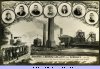
| | Images in the Memorial section for the 1907 disaster where 7 lives were lost |
Further Reading:
- South Yorkshire Mining Disasters, Vol. 2, 20th century by Brian Elliott, Published by Wharncliffe Books, 2009, ISBN 1-845630-57-2



 Contains public sector information licensed under the

